Fatalities, Freakouts, and Firestorms: Why Mortal Kombat Shocked the 1990s
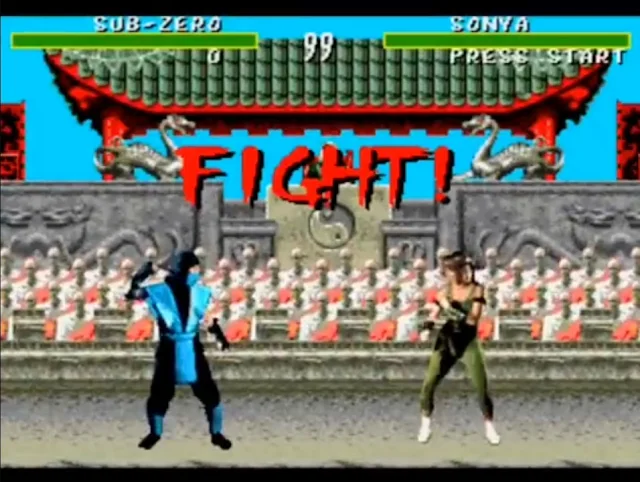
When Mortal Kombat first exploded into arcades in 1992, it didn’t just attract players—it triggered a full-blown cultural panic. Kids crowded around cabinets in pizza joints, malls, and arcades, mesmerized by digitized fighters ripping out spines, freezing opponents solid, and finishing battles with gruesome “Fatalities.” To gamers, it was revolutionary. To worried parents and politicians, it was the beginning of the end.
At the time, most fighting games looked relatively cartoonish. Street Fighter II dominated arcades with colorful characters and flashy special moves, but its violence was tame compared to what Mortal Kombat unleashed. Developed by Midway Games, Mortal Kombat used digitized actors instead of animated sprites, making the combat feel disturbingly realistic for early ‘90s audiences. Blood sprayed across the screen with every hit, and the game’s infamous Fatalities allowed winners to brutally execute defeated opponents in graphic fashion.
For younger gamers, that shock factor was part of the appeal. Crowds would gather around machines just to see someone pull off Scorpion’s fiery skull attack or Sub-Zero’s spine-ripping finisher. The game became playground legend almost overnight. Everyone had rumors about secret characters, hidden moves, and impossible finishing techniques. Mortal Kombat wasn’t just a game—it was an event.
But the controversy surrounding it grew just as fast as its popularity.
Parents’ groups and media watchdogs argued that the game’s violence crossed a dangerous line. News reports warned that children were being exposed to graphic digital violence unlike anything previously seen in gaming. Mortal Kombat quickly became the poster child for concerns about violent entertainment corrupting youth. The fact that kids loved it only intensified the backlash.
Things escalated when home versions arrived on consoles like the Nintendo Super Nintendo and Sega Genesis. Nintendo famously censored the blood, changing it to sweat and toning down Fatalities to maintain its family-friendly image. Sega, meanwhile, allowed players to unlock the arcade-style violence with a special code. Unsurprisingly, gamers flocked to Sega’s version because it felt more authentic. The controversy actually helped sales skyrocket.
The outrage eventually reached Washington. In 1993, U.S. Senate hearings led by Senators Joe Lieberman and Herb Kohl targeted violent video games, with Mortal Kombat taking center stage alongside games like Night Trap. Politicians argued that the gaming industry needed regulation to protect children from excessive violence.
Ironically, those hearings helped legitimize video games as a major entertainment force. The uproar directly contributed to the creation of the ESRB rating system in 1994, which still rates games today. In a strange twist, Mortal Kombat helped shape the entire modern gaming industry.
Looking back, the panic seems almost quaint compared to today’s hyper-realistic games. Yet at the time, Mortal Kombat felt genuinely shocking. Its mix of realism, gore, and rebellious attitude captured the spirit of the early ‘90s perfectly. It was edgy, dangerous, and impossible to ignore.
And honestly? That controversy may have been the greatest finishing move of all.